Fixing a Noisy Breaker Box, Fast
A humming switchboard is easy to ignore until the hum turns into a crackle.
Any noise from your board is worth a call. Ring (02) 9134 9024 and describe exactly what you're hearing.
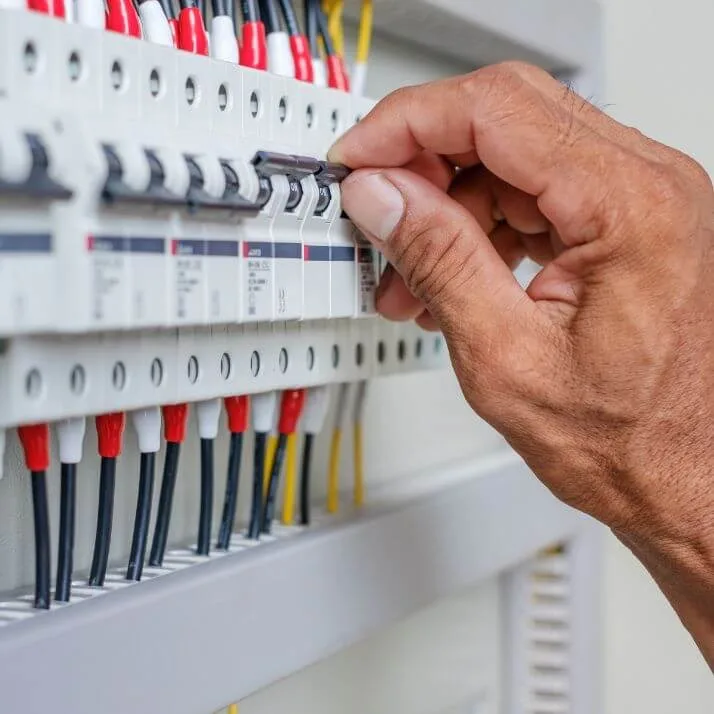
What a Noisy Breaker Box Actually Means
Electrical components can make a very faint hum under normal load, and that alone isn't unusual.
What matters is a change: a board that's suddenly louder, or making a new sound it never has before.
Buzzing, crackling, clicking and humming each point somewhere slightly different, from a loose connection to a component genuinely failing.
The board is built to run quietly. Anything drawing attention to itself is worth listening to properly.
A board with a spotless history is no guarantee against a sudden new sound. Components wear gradually, then reach a point where the noise finally becomes noticeable.
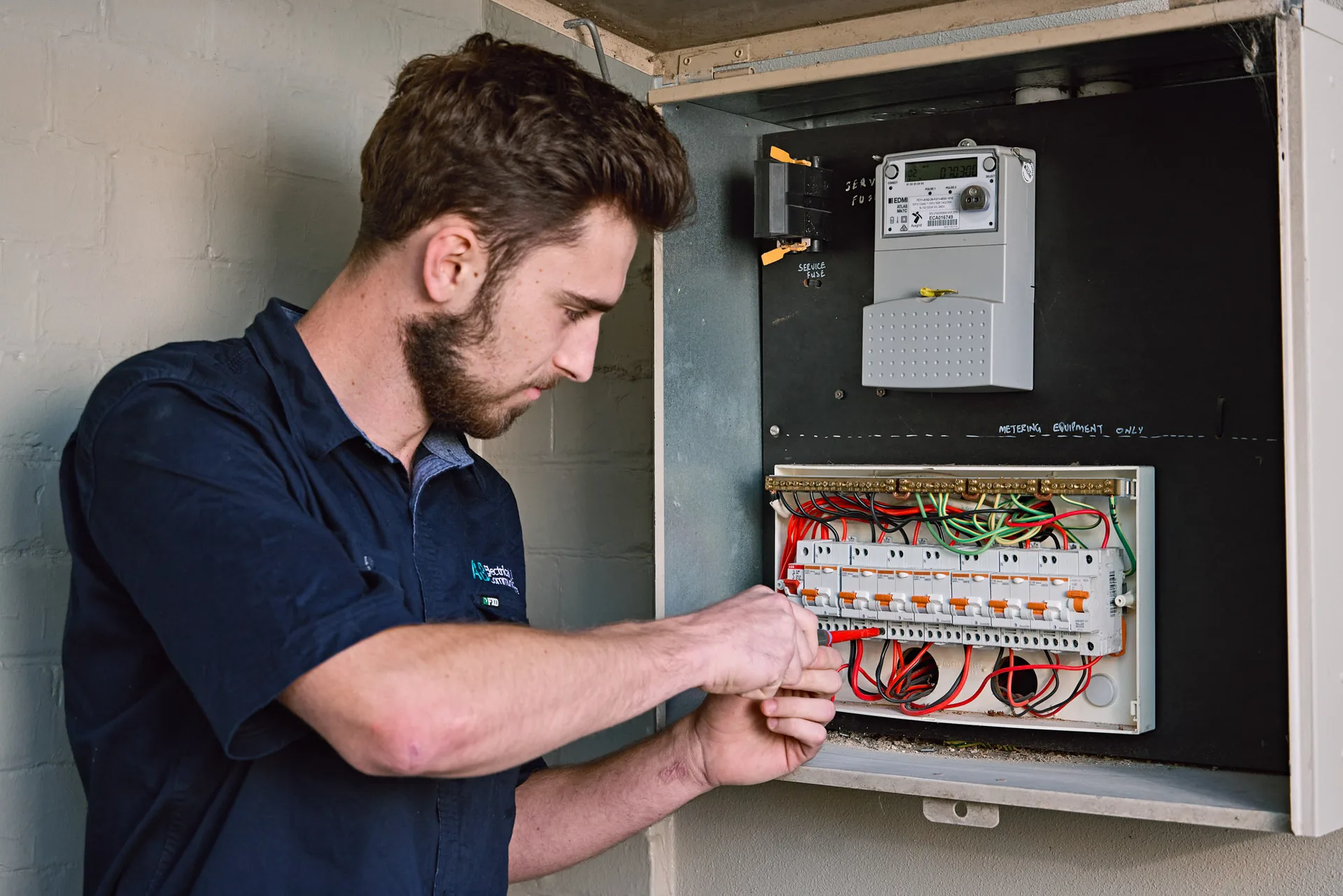
Six Causes, From Common to Rare
These are the usual suspects behind a switchboard making noise it shouldn't.
- A loose connection: a screw terminal that's vibrated loose over time, sparking faintly whenever the circuit is under load.
- An overloaded circuit: the board working harder than it's rated for, humming under the strain.
- A failing breaker: the mechanism itself wearing internally and making noise as it operates.
- Ceramic fuse holders vibrating: older fuse-based boards where the physical fittings loosen with age.
- Moisture: dampness reaching the board and causing a faint crackle or hiss.
- Pest activity: insects or rodents inside the board enclosure itself, rare but not unheard of.
Two or three of these often show up together on an older board, which is part of why a single noise complaint sometimes turns into a bigger conversation once we open the enclosure.
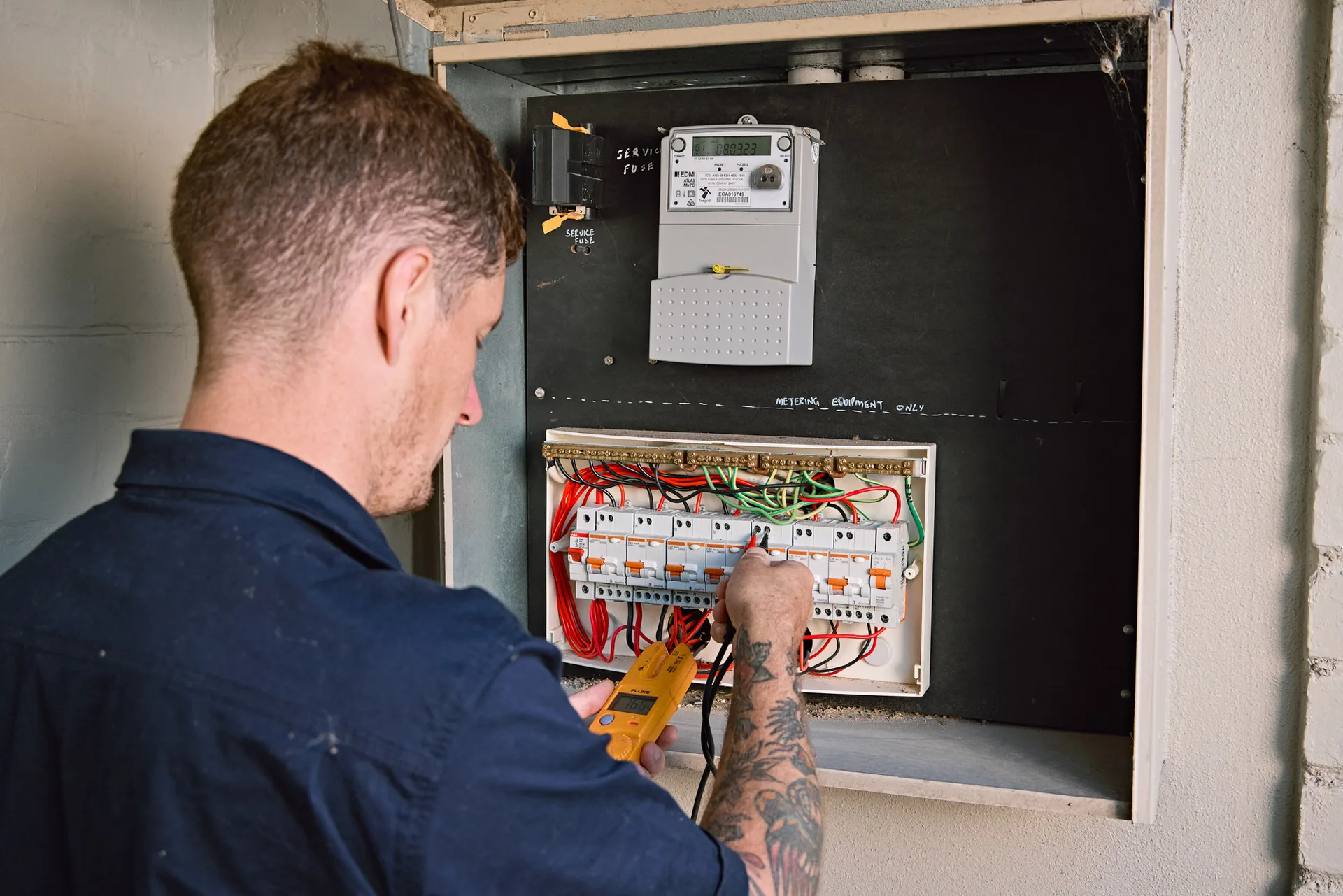
Is a Noisy Breaker Box Dangerous?
A faint, steady hum with nothing else unusual is common and rarely urgent on its own.
Crackling, popping, or any smell of burning alongside the noise changes that immediately.
The same goes for a noise that's clearly getting louder over days rather than staying constant.
If you're ever unsure, switch off the affected circuit and call rather than waiting to see what happens next.
A noise that only appears under a specific load, like the oven running or several lights on at once, is a useful detail to mention. It often narrows down which part of the board to check first.
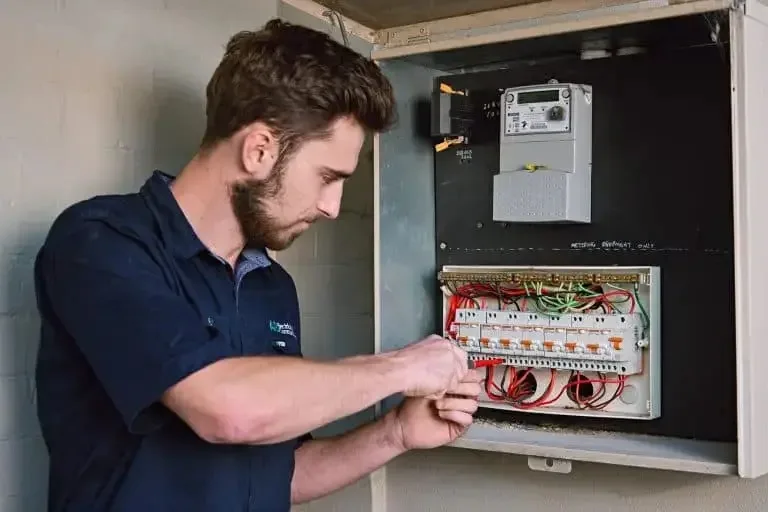
Do This First
- Listen without touching. Note whether it's a hum, buzz, crackle or click, since each points somewhere different.
- Check for smell or warmth near the board without opening any covers.
- Switch off the specific circuit if you can identify it and the noise is anything beyond a faint hum.
- Call (02) 9134 9024 and walk us through what you can hear and when it started.
How We Fix a Noisy Breaker Box
We start by opening the board and isolating power safely, something that's illegal for anyone unlicensed to attempt.
From there we check every connection, breaker and fuse holder methodically rather than guessing at the source.
Loose terminals get re-terminated, worn components replaced, and where the board itself is the real issue, we'll explain what an upgrade would involve.
Everything is brought up to AS/NZS 3000 standard, with a safety switch fitted if the board is currently without one.
A Local Angle on a Noisy Breaker Box
Original switchboards on streets like Dartford Road and Stuart Avenue often still carry their first fuse holders, now well past the decades they were designed for.
Ceramic fittings like these were never silent, but age loosens the physical connections further, and that's usually where the extra buzz or crackle comes from.
A board this old rarely announces one problem in isolation. Noise is often the first symptom of several ageing parts all reaching the same point at once.
Preventing a Noisy Breaker Box Recurring
A board that's been serviced properly tends to stay quiet.
- Have connections re-terminated at the first sign of a new sound, rather than waiting for it to worsen.
- Upgrade an ageing fuse board to modern circuit breakers if it's original to the house.
- Keep the board area dry and free of anything that could trap moisture nearby.
- Book a switchboard inspection if you've never had one done since moving in.
- Get pest checks done if you've heard scratching or noticed droppings near the ceiling.
Related Faults and Surrounding Areas
If the same board is also cutting out unexpectedly, that's very likely the same overload or ageing connection behind both symptoms.
If you can also smell something hot, stop reading this one and go straight to our page on a burning odour instead.
We service this fault across Normanhurst and into Wahroonga, Hornsby and Thornleigh most weeks.

Get in Touch Today Before It Gets Worse
A quiet hum today can be a crackle tomorrow, and it's worth acting before that happens.
Call (02) 9134 9024 for a straight assessment and a fixed price, often same or next day.
Common questions
Your Noisy Breaker Box FAQs
The questions that come up again and again about a buzzing, humming or crackling switchboard.
Can I fix a noisy breaker box myself?
No. A live switchboard is strictly licensed territory under NSW law, and going near it yourself risks a shock on top of any insurance headache.
Why does the noise only happen at certain times?
Load changes the sound. A board straining under a storm, heavy heating use or several appliances at once often reveals a noise you wouldn't hear on a quiet day.
Do old fuses make the noise worse?
Often, yes. Ceramic fuse holders and ageing contacts are more prone to buzzing and crackling than a newer breaker-based board.
How much does it cost to fix a noisy breaker box?
A single loose connection costs less to fix than a board that's genuinely due for a full upgrade. Either way, we confirm the number with you before touching anything.
How fast can you get to Normanhurst?
Often same or next day for a standard booking. A genuinely urgent noise, like crackling or a burning smell, gets priority.
Can I keep using the circuits while I wait?
If the noise is faint and there's no smell or heat, generally yes. Anything louder or paired with warmth should be switched off at that circuit until we've looked.